Compare Local Contractors for Poly Lifting Projects
Compare local contractors for Poly Lifting to define scope, verify experience, and set clear expectations for a successful project.
Poly lifting services typically involve the strategic placement and installation of polycarbonate or polyethylene materials to support structural elements, create protective barriers, or enhance safety around properties. This work often includes tasks such as installing or repairing poly covers, sheeting, or enclosures that shield buildings, equipment, or outdoor spaces. Contractors in this field may also handle the fabrication and custom fitting of poly components to meet specific project requirements, ensuring durability and proper integration with existing structures.
Clearly defining the scope of a poly lifting project is essential to ensure all parties have aligned expectations and understand the extent of work involved. A well-outlined scope specifies the types of materials to be used, the areas to be covered or supported, and any additional features or modifications needed. This clarity helps property owners avoid misunderstandings and provides a basis for detailed documentation, which can be useful for future reference or potential adjustments. Establishing scope early also supports effective communication with contractors and helps ensure the work meets the property owner’s needs.
Property owners seeking to compare local contractors for poly lifting services should consider several practical factors. It’s important to verify the experience and expertise of each service provider, especially in handling projects similar in scope and complexity. Reviewing the scope of work offered by different contractors can reveal variations in service approaches and capabilities. Additionally, requesting written descriptions of the proposed work, including materials and methods, helps ensure transparency and facilitates side-by-side comparisons. By focusing on these aspects, property owners can make informed decisions when choosing contractors who are capable of meeting their specific project requirements.
Compare local contractors by outlining priorities, verifying experience, and setting clear scope and expectations in writing.
- Compare Contractor Experience - Review the backgrounds and project history of local contractors to ensure they have relevant experience in poly lifting.
- Define Project Scope Clearly - Outline specific tasks and expectations in writing to prevent misunderstandings with service providers.
- Verify Credentials and References - Check references and prior work to assess the reliability and quality of local contractors.
- Set Expectations in Writing - Document all project details, including scope and responsibilities, before work begins to ensure clarity.
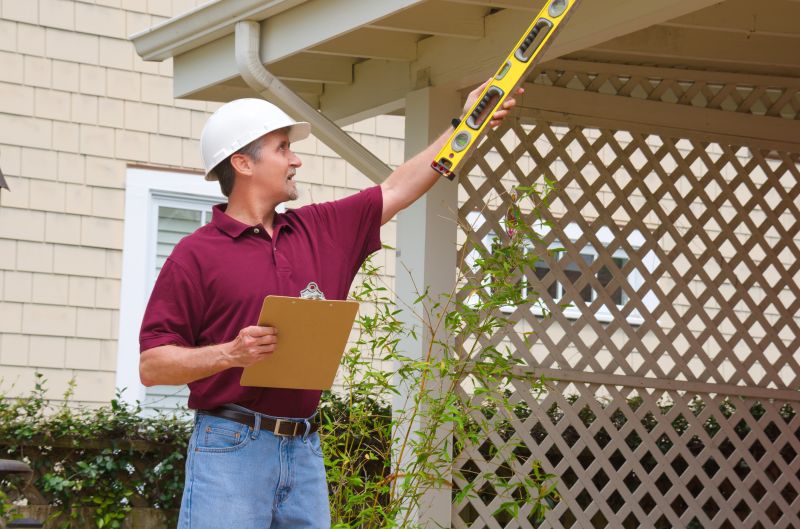
Clearly describe your Poly Lifting project to help local contractors understand your needs and compare their expertise effectively.
- Verify the contractor’s experience with poly lifting projects to ensure familiarity with the specific techniques and materials involved. - Consider how the service provider defines the scope of work to ensure all necessary tasks are included and clearly outlined.
- Check that the contractor provides a detailed written estimate that specifies the work to be performed and the materials to be used. - Assess the contractor’s ability to communicate expectations and project details clearly in documentation.
- Ensure the contractor is able to evaluate and assess the site conditions to determine the appropriate lifting method and equipment needed. - Confirm that the service provider considers safety and structural integrity during the assessment process.
- Compare the experience levels and qualifications of different local contractors to identify those with relevant project backgrounds. - Look for service providers who have handled similar poly lifting projects successfully.
- Discuss the project timeline and sequence of tasks to align expectations and prevent misunderstandings during the work process. - Make sure the scope and steps are documented to facilitate smooth project execution.
- Ask for references or examples of previous poly lifting work to evaluate the quality and reliability of the contractor’s services. - Use this information to compare the performance of different local contractors.
Use Poly Lifting to compare local contractors, clarify project scope, verify experience, and set clear expectations.

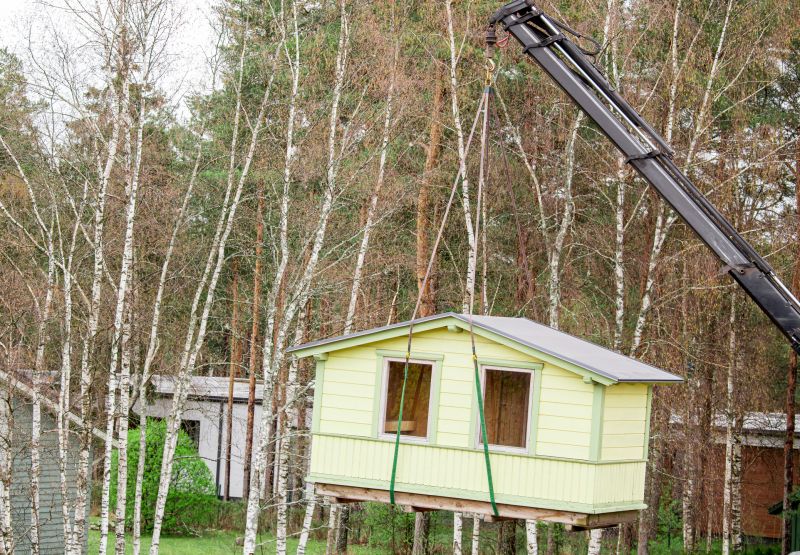
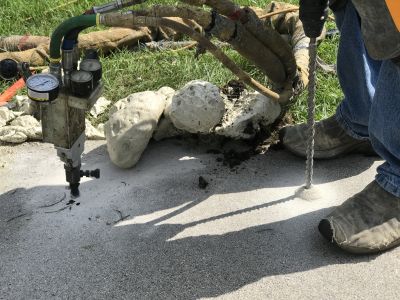

This section helps you compare local contractors for Poly Lifting by defining scope, verifying experience, and setting clear expectations.
- Scope Definition - Clearly outline the specific lifting tasks and materials involved in the poly lifting project.
- Experience Verification - Confirm that local contractors have relevant experience handling poly lifting projects similar in scope.
- Material Specifications - Specify the types and quality of materials to be used for the lifting process.
- Work Responsibilities - Define the responsibilities of each service provider involved in the poly lifting work.
- Project Expectations - Establish written expectations regarding the process, deliverables, and quality standards for the job.
When comparing contractors for Poly Lifting projects, it’s important to assess their experience with similar types of work. Service providers with a proven track record in handling projects of comparable scope and complexity are more likely to understand the specific requirements and challenges involved. Asking potential contractors about their past projects, including the types of structures they’ve worked on and the solutions they’ve implemented, can provide insight into their familiarity with Poly Lifting procedures and best practices.
A clear, written scope of work is essential for establishing mutual understanding and setting accurate expectations. When evaluating contractors, seek detailed descriptions of the tasks they will perform, including the methods and materials they plan to use. A well-defined scope helps prevent misunderstandings and ensures that all parties are aligned on what the project entails. It’s advisable to review and compare these written outlines to see how thoroughly each service provider has outlined their approach.
Verifying a contractor’s basics involves confirming their understanding of the project’s technical aspects and ensuring they have the necessary experience to execute the work properly. Ask potential service providers to describe their process for Poly Lifting, including how they assess the site, plan the lift, and address potential challenges. Additionally, inquire about the types of equipment and techniques they typically employ. Clear communication about these fundamentals can help gauge their expertise and readiness to handle your project safely and effectively.
When evaluating options, focus on how each contractor presents their scope, their experience with similar projects, and their approach to planning and safety. It’s useful to compare the level of detail in their proposals, the clarity of their explanations, and their ability to address specific project needs. Remember, this process is about finding service providers who can meet your project’s requirements through clear communication and demonstrated familiarity with Poly Lifting procedures-helping to make an informed choice based on experience and professionalism.
Ask contractors to provide written scope details to ensure clear expectations and consistent project understanding.
- Experience and Expertise - How do contractors' backgrounds and experience levels compare for poly lifting projects?
- Scope of Work - What specific services and tasks are included in each contractor’s scope of work?
- Project Approach - How do contractors plan to handle the scope and ensure safety and quality during lifting?
- Communication and Documentation - Do contractors provide clear written descriptions of the scope, methods, and expectations?
- Qualifications and References - Can contractors provide references or examples of similar poly lifting projects they've completed?
How can I compare contractors for poly lifting services? To compare contractors, review their experience, verify references, and assess their scope of work to ensure they meet your project needs.
What should I define in writing when hiring a contractor for poly lifting? Clearly outline the project scope, specific lifting requirements, safety considerations, and any expectations to ensure clarity and avoid misunderstandings.
How do I verify a contractor's experience with poly lifting projects? Ask for details about their previous work, request references, and confirm their familiarity with the specific techniques and equipment involved in poly lifting.
What questions should I ask a contractor before hiring for poly lifting? Inquire about their experience, scope of work, safety practices, and how they plan to approach your project to ensure alignment with your expectations.
Why is it important to set expectations in writing for poly lifting projects? Written agreements help clarify project scope, responsibilities, and deliverables, reducing potential misunderstandings during the course of work.
How can I ensure a contractor understands my project requirements? Provide detailed descriptions of the scope, share any relevant plans or specifications, and confirm that the contractor acknowledges and agrees to these details in writing.
Visitors now have a clearer understanding of how to evaluate and compare contractors for Poly Lifting projects. They learned the importance of defining the scope of work, verifying experience, and putting expectations in writing to ensure clarity and alignment. Using the quote form to gather information allows for straightforward comparisons among nearby service providers, helping to identify options that meet specific project needs.
Encouraging visitors to utilize the quote form provides a simple way to connect with local contractors who can handle Poly Lifting tasks. By taking this step, they can explore available options and make informed decisions based on their unique requirements. This approach supports finding experienced service providers ready to assist with the project, all without commitments or assumptions.